
Schema therapy began to take shape when Jeffrey Young described patients who could argue down every irrational thought and still not change emotionally. For many of us who have sat with bright, articulate clients who can complete a thought record with surgical precision while their vulnerable child remains untouched, that moment lands with clinical force.
Schema therapy is an integrative model developed by Dr. Jeffrey Young that targets early maladaptive schemas and modes rooted in unmet childhood needs. The opening session is part one of a recorded interview at JYSTA’s Changing Lives symposium, where Wendy Behary and Young explore the model’s origins and clinical application, drawn from the inaugural online symposium, for which you can buy tickets through JYSTA.
In JYSTA’s Changing Lives symposium opening session, Wendy Behary interviews Jeffrey Young about why standard cognitive therapy stalled for some clients, how early maladaptive schemas form, and why the mode approach became necessary for complex cases. The full session is available on demand for JYSTA members via the Mighty Networks community platform, with part two to follow in a later session.
Key Takeaways
- Behary and Young open JYSTA’s symposium with a discussion of schema therapy’s origin story and on-demand access.
- Schema work and mode work stay integrated around unmet core emotional needs.
- Evidence is strongest for borderline personality disorder, complex trauma, and personality disorders.
- JYSTA preserves Jeffrey Young’s model as a global professional home, serving as a professional association dedicated to advancing schema therapy worldwide.
How did the Behary and Young conversation open the Changing Lives symposium?
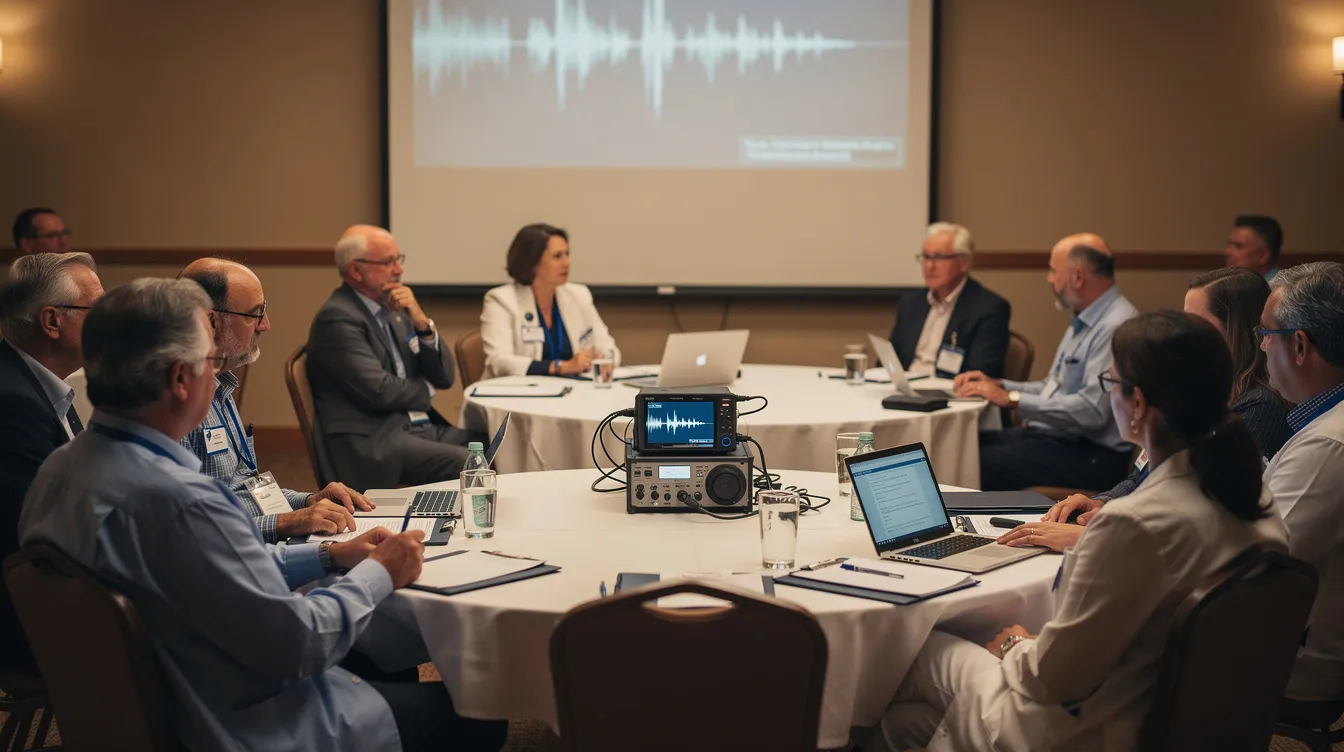
The Behary and Young conversation opened JYSTA’s Changing Lives symposium by returning schema therapy to its clinical birthplace: the moment when intellectual insight failed to become emotional change. Wendy Behary hosted the keynote, with Dr. Jeffrey Young participating through a rare recorded audio interview as part of JYSTA’s inaugural symposium celebrating 35 years of schema therapy.
The symposium was not framed as a nostalgia tour, although therapists are not immune to nostalgia, especially when coffee and founding stories are involved. Rather, Behary used the interview to bring clinicians back to the architecture of the schema therapy model: unmet core emotional needs, early maladaptive schemas, coping styles, schema modes, and the therapeutic relationship as a corrective emotional experience. The session was billed as part one, with part two to follow for members.
Behary’s framing was clinically precise. Treatment planning begins not with “what is wrong with this client?” but with “what was needed and not received?” In schema therapy, core emotional needs include connection, safety, validation, reciprocity, and autonomy; Young’s broader need list also includes freedom to express feelings, spontaneity and play, and realistic limits. When those needs are chronically unmet, the person develops enduring schema beliefs and patterned coping responses that may organize adult relationships for decades.
Young’s origin account begins with his training under Aaron Beck. He was drawn to cognitive therapy because it offered structure, evidence, and a more active alternative to the diffuse psychodynamic psychotherapy he had seen in some settings. Yet in early private practice, especially with clients who had long-standing relational difficulties, trauma histories, chronic depression, or personality disorders, Young found that cognitive change did not always reach emotional memory.
That is the first gift of the opening session. It lets clinicians hear the founder describe the model not as a theory built in clean academic air, but as an answer to clients who were doing the work and still suffering. The full recording also gives more nuance than a summary can carry, including Behary’s questions, Young’s pacing, and the lived clinical feel of how schema therapy developed.
JYSTA members can watch the complete Behary and Young session on demand through the JYSTA community platform on Mighty Networks. For clinicians who want the founder’s own voice, not a secondhand gloss, this is one of the clearest reasons to join JYSTA and access the recording.
Why did cognitive therapy stall for some of Young’s patients?
Cognitive therapy stalled for some of Young’s patients because they could understand and dispute thoughts intellectually while their underlying schema remained emotionally intact. Young’s early-1980s dilemma was not that CBT lacked value; rather, some clients needed a deeper developmental and experiential model.
The clients who pushed the model forward were often not simple outpatient depression cases. They presented with borderline personality disorder, complex trauma, treatment-resistant mood symptoms, chronic emptiness, intense shame, abandonment terror, and unstable adult relationships. A person feels the schema in the body before they can neatly explain it, which is why a flawless cognitive reframe may leave the vulnerable child untouched.
Young did not respond by abandoning structure. Although psychodynamic models already addressed childhood and internalized relationships, he wanted an approach that retained the clarity of CBT while adding attachment theory, Gestalt therapy, experiential techniques, and psychodynamic understanding. Schema therapy is an integrative psychotherapy model that combines concepts and techniques from cognitive behavioral therapy, attachment theory, Gestalt therapy, and psychodynamic psychotherapy.
The term “schema” came from Beck’s cognitive model, but Young expanded it. In Jeffrey Young’s schema therapy, a schema is not merely a belief. It is a broad emotional, cognitive, somatic, and interpersonal pattern, often established in childhood and repeated throughout life. The Schema Therapy model identifies 18 Early Maladaptive Schemas, self-defeating emotional and cognitive patterns established in childhood and repeated throughout life.
That redefinition mattered. A client with an abandonment schema may “know” their partner is not leaving, while schema activation still floods the nervous system with panic. Another client with emotional deprivation may dismiss warmth from the therapist because the underlying schema predicts that emotional support will never arrive. In such moments, the old CBT question, “What is the evidence?” may help, but it rarely does the whole job.
This gap between intellectual insight and emotional change becomes the through-line of the Behary and Young session. Schema therapy evolved because Young needed a model that could reach the client’s life story, emotional memory, coping styles, and present-moment states in the room.
What is schema therapy in Jeffrey Young’s original model?
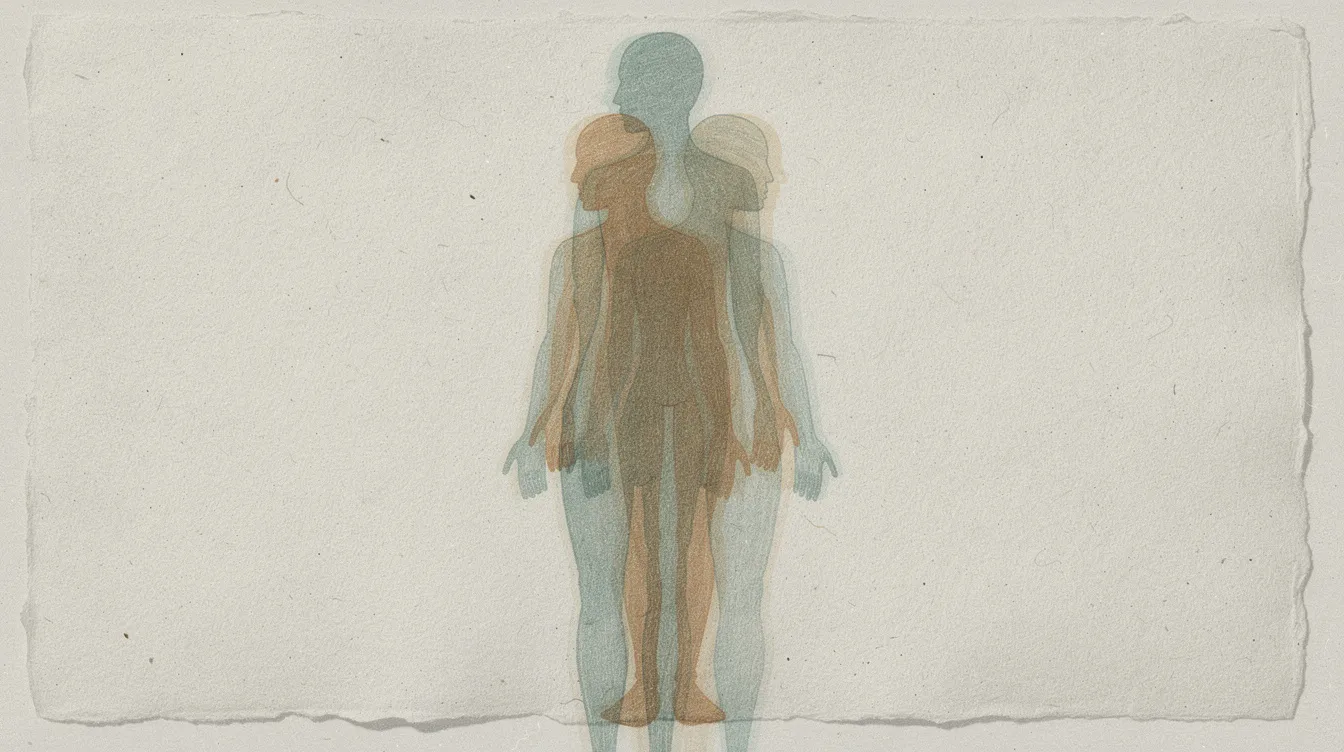
Schema therapy is an evidence-based, integrative psychotherapy for long-standing emotional and relational patterns, especially when standard symptom-focused work has not produced lasting personality change. JYSTA’s overview of schema therapy describes a model that integrates cognitive behavioral therapy, attachment theory, Gestalt therapy, psychodynamic psychotherapy, experiential methods, and a strongly relational stance.
The architecture is simple enough to teach and deep enough to spend a career refining:
- Early maladaptive schemas form when core emotional needs are not adequately met.
- Coping styles develop as adaptations to the pain of those schemas.
- Schema modes arise in the moment when schemas and coping responses are activated.
Coping styles in Schema Therapy describe three primary ways individuals adapt to damaging childhood experiences and the early maladaptive schemas that result from them: surrender, avoidance, and overcompensation. Surrender involves accepting and giving in to the schema, living as if it is true, while avoidance involves finding ways to escape or numb the emotional pain the schema produces. Overcompensation involves acting in ways that are the opposite of the schema in an attempt to fight against it, often leading to behaviors that mask the underlying issues.
This architecture makes schema therapy especially relevant for schema therapy for personality disorders, complex trauma, chronic depression, persistent anxiety, and entrenched relational patterns. Schema therapy effectively addresses chronic or treatment-resistant mood conditions, such as persistent depression and pervasive anxiety. It is also considered a gold-standard treatment for complex trauma and individuals recovering from persistent childhood emotional abuse or instability.
The integration of different therapeutic approaches within schema therapy aims to address complex psychological issues by focusing on the underlying schemas and modes that drive behavior. This is why the model is neither CBT with childhood language added nor psychodynamic therapy with worksheets attached. It is a coherent treatment approach with its own theory of needs, schemas, modes, experiential change, and corrective relationship.
JYSTA’s role is to steward that original model with fidelity, depth, and clinical generosity. The keynote belongs to that larger mission: preserving Young’s formulations while providing contemporary clinicians with a living professional community.
How do early maladaptive schemas form from unmet core emotional needs?
Early maladaptive schemas form when core emotional needs are repeatedly unmet during childhood, especially when temperament and adverse experience interact. When core emotional needs are unmet during childhood, individuals may develop early maladaptive schemas that lead to dysfunctional patterns in adulthood.
Young’s core emotional needs can be stated in five broad areas:
- secure attachment, connection, and safety
- autonomy, competence, and identity
- freedom to express needs and emotions
- spontaneity, play, and joy
- realistic limits, reciprocity, and self-control
The child’s core need may be simple: comfort me, protect me, see me, let me explore, help me express healthy anger, or teach me limits without humiliation. Yet the resulting adult pattern can become elaborate. Emotional deprivation, harsh criticism, enmeshment, abuse, overprotection, or chaos may produce schemas of defectiveness, mistrust, abandonment, failure, dependence, emotional inhibition, or unrelenting standards.
Temperament matters. A sensitive child in a chronically invalidating environment may develop stronger Disconnection/Rejection schemas than a less reactive sibling in the same home. Likewise, a child with high novelty seeking and weak boundaries may develop impaired limits if caregivers never provide consistent containment. No schema therapist needs reminding that the family system often contains more variables than our neat diagrams admit.
How are the 18 schemas organized into schema domains?
The 18 early maladaptive schemas are grouped into five schema domains, each representing a category of unmet core emotional needs. Schema domains help clinicians move from a client’s developmental history to the patterns now shaping adult relationships, affect regulation, and identity.
| Schema domain | Common unmet need | Examples of schemas |
|---|---|---|
| Disconnection and Rejection | safety, connection, empathy | Abandonment/Instability, Mistrust/Abuse, Emotional Deprivation, Defectiveness/Shame, Social Isolation |
| Impaired Autonomy and Performance | autonomy, competence, identity | Dependence/Incompetence, Vulnerability to Harm, Enmeshment/Undeveloped Self, Failure |
| Impaired Limits | realistic limits, reciprocity | Entitlement/Grandiosity, Insufficient Self-Control/Self-Discipline |
| Other-Directedness | self-expression, validation | Subjugation, Self-Sacrifice, Approval-Seeking |
| Overvigilance and Inhibition | spontaneity, play, emotional freedom | Negativity/Pessimism, Emotional Inhibition, Unrelenting Standards, Punitiveness |
A composite borderline presentation might show a powerful Disconnection/Rejection cluster. The client longs for closeness, anticipates abandonment, expects betrayal, feels defective, and then oscillates between clinging, rage, collapse, and detachment. In session, the clinician may see the schema only briefly before the detached protector or punitive parent moves in to cover it.
This is why schema conceptualization cannot remain a list of 18 labels. The map matters, but the living sequence matters more.

What did Young and Behary say about the angry child and fairness?
Young and Behary discussed the angry child as the mode that often cries, “It’s not fair,” “No one appreciates me,” or “I have to be everything for everyone.” In schema therapy, that protest is not treated as an inconvenience to be managed away; it is a doorway to injured needs.
The angry child often appears when the client feels unseen, exploited, neglected, or morally injured. Beneath the mode may be a deprived or maltreated vulnerable child who never received protection, validation, reciprocity, or emotional support. A client who feels intensely angry may also carry schemas of emotional deprivation, subjugation, defectiveness, or mistrust.
Clinically, Behary and Young emphasize validating without colluding. The therapist can say, in effect, “There was unfairness, and that anger makes sense,” while still helping the client notice whether the current coping response is adaptive. The angry child may need protection and voice; the impulsive child may need limits; an overcompensator may need softening before anyone can reach the vulnerable child mode underneath.
A useful session move is simple:
- Pause when the client says, “It’s not fair.”
- Ask what the angry child is protecting.
- Listen for the vulnerable child beneath the protest.
- Link the emotion to the underlying schema and unmet need.
- Invite the healthy adult mode to validate the need and choose adaptive behaviors.
This is not sentimentality. It is disciplined attunement. When anger has been shamed, dismissed, or punished, validation can become the first corrective emotional experience.
Why did schema therapy add the mode approach in the early 1990s?
Schema therapy added the mode approach because some complex clients shifted states too rapidly for schema-level work alone to guide the session. Young and colleagues developed the mode model in the early 1990s to help clinicians track moment-to-moment changes in affect, cognition, body state, and coping.
Schema modes are moment-to-moment emotional states and coping responses that arise when underlying schemas are activated, influencing behavior in daily life and therapeutic contexts. In plain clinical terms, a mode refers to the part of the self that is online now.
Schema modes can be categorized into four main groups: Child modes, Dysfunctional Coping modes, Dysfunctional Parent modes, and the Healthy Adult mode, each representing different emotional states and coping strategies.
Behary’s point in the session about naming modes in the client’s own language is a small but powerful intervention. A client may not say, “My punitive parent has become activated.” They may say, “There’s Joe in my head again,” or “Little Jack is panicking.” The clinician’s task is to keep fidelity to the schema therapy model while allowing the client to recognize the mode in his or her own way.
Behary also cautions against proliferating endless mode names. There are not a thousand modes, though there are many manifestations. A manageable taxonomy helps clinicians avoid turning mode work into a personality-parts souvenir shop, which sounds amusing until the case formulation has more characters than a streaming series.
The mode approach solved a practical problem. It allowed schema therapists to work with what was happening in the room: collapse, attack, withdrawal, numbness, pleading, compliance, rage, superiority, shame. Yet Young’s warning remains central: mode work loses depth when it stops asking which unmet core needs and schemas generated the state.
How do child, parent, coping, and healthy adult modes interact?
Child, parent, coping, and healthy adult modes interact as a dynamic system, each representing distinct states of need, threat, adaptation, or integration. The clinician’s work is to identify which mode is active, how modes interact, and what intervention will strengthen the healthy adult.
Child modes
Child modes carry primary emotion and need. The vulnerable child feels loneliness, shame, fear, grief, and emptiness. This mode is often the doorway to early maladaptive schemas because it contains the emotional truth of what was not received.
The angry child protests unfairness and unmet needs. The impulsive child and impulsive child modes seek relief, gratification, or discharge, sometimes through self-stimulating activities, eating disorders, self-harm, substance use, or other risky patterns. In presentations with impaired limits, the client may seek relief in a selfish or uncontrolled manner, especially when frustration tolerance is low.
Schema therapy also includes positive child states. The healthy child mode, happy child, and contented child reflect play, spontaneity, connection, and aliveness. In a well-functioning system, the healthy adult protects space for joy while also maintaining adult functions.
Dysfunctional parent modes
Dysfunctional parent modes are internalized critical, punitive, or demanding voices. The punitive parent attacks the vulnerable child with shame, blame, disgust, or the message that the client deserves punishment. Critic modes can become self-deprecating, cruel, and relentless, particularly in clients with abuse histories or unrelenting standards.
Demanding parent modes push perfectionism, overcontrol, and achievement. Maladaptive parent modes often preserve the negative aspects of early caregiving: contempt, pressure, emotional coldness, or conditional approval. In treatment, the therapist helps the client externalize these parent modes and reduce their authority.
Maladaptive coping modes
Maladaptive coping modes translate surrender, avoidance, and overcompensation into live states. The compliant surrenderer gives in, appeases, and may sacrifice self-respect to prevent abandonment. The detached protector shuts down feeling, blocks closeness, and often presents as blankness, intellectualization, sleepiness, or numbing.
Other coping modes overcompensate through control, superiority, aggression, perfectionism, or recognition-seeking. Maladaptive coping styles once protected the child from pain, but in adulthood, they often block intimacy, flexibility, self-soothing, and mutuality.
Why does Young treat the Healthy Adult as the organizing hub?
Young treats the healthy adult mode as the organizing hub because it performs appropriate adult functions: reality testing, emotional regulation, self-protection, reciprocity, limit-setting, and care for the vulnerable child. The healthy adult can challenge the punitive parent, soothe the child mode, negotiate with coping modes, and build adaptive behaviors.
A strong, healthy adult is self-confident without becoming grandiose, self-reliant without becoming detached, and capable of asking for help without surrendering agency. The healthy adult also pursues pleasurable adult activities, attends to health maintenance, and distinguishes core needs from non-core desires. In other words, pleasurable adult activities matter, but they do not replace attachment, safety, autonomy, and meaning.
A common sequence looks like this: criticism activates a schema of defectiveness; the vulnerable child feels exposed; the punitive parent attacks; the detached protector numbs; then an overcompensator tries to regain control. The therapist names the sequence, validates the child, limits the punitive parent, and invites the healthy adult to respond.

How do schema work and mode work stay integrated?
Schema work and mode work stay integrated when the clinician links the state in the room to the underlying schema and the unmet need beneath it. Young’s argument in the session is direct: mode work without schema work goes too shallow.
This matters because modes are compelling. A detached protector can dominate the hour. An angry child can fill the room with its cry that it is not fair, and the vulnerable child is still hidden beneath. A punitive parent can flatten the client before the therapist has finished a sentence. Yet if the clinician only names the mode, the work may remain at the level of state management.
Schema work gives depth. It asks, “Where did this come from?” “Which schema is being triggered?” “What need was not met?” “What does this child part expect from others?” Young’s fundamental clinical question, echoed through Behary’s framing, is: “What do you need right now that isn’t being met?”
Mode work gives immediacy. It helps the therapist notice that the client has shifted from vulnerable child to detached protector in the room. Without mode work, schema therapy can become too abstract. Without schema work, mode therapy can become too shallow.
Here is how that principle plays out in an ordinary session, offered as a teaching illustration rather than a scene from the recording. A client begins the session by describing a partner’s delayed reply. The client says it is “no big deal,” but their face tightens, and their voice fades. The therapist notices the detached protector, gently asks what feeling is being protected, and reaches a vulnerable child experience of being forgotten after school. Imagery rescripting then links the present trigger to emotional deprivation and abandonment schemas, while the healthy adult offers protection, comfort, and a new response.
This is the bridge Young was looking for in 1983: not insight instead of emotion, and not emotion without formulation. Schema vs mode work is not a rivalry. It is a rhythm.
What experiential and relational techniques does the model use?
Because intellectual insight alone rarely reaches emotional memory, schema therapy employs experiential techniques such as limited reparenting, imagery rescripting, and chairwork to help clients heal their schemas and develop healthier coping mechanisms. These methods give the model its emotional reach.
Limited reparenting uses the therapeutic relationship to meet unmet childhood needs within ethical boundaries. The therapist offers warmth, steadiness, validation, protection, and empathic confrontation. Over time, the client internalizes these functions as part of the healthy adult mode.
Imagery Rescripting involves patients revisiting and mentally altering distressing childhood memories to heal emotional wounds. In imagery work, the therapist may enter the scene, protect the child, confront an abusive figure, bring in nurturing care, or help the client’s healthy adult intervene. The goal is not to rewrite history; it is to transform the emotional meaning of the memory.
Chairwork helps clients externalize modes and create dialogue. A punitive parent may be placed in one chair, the vulnerable child in another, and the healthy adult in a third. The work becomes more than discussion because the client can hear, feel, confront, and reorganize internal voices.
A basic mode-grounded sequence might look like this:
- Identify a recent schema activation.
- Name the active mode using language the client recognizes.
- Ask which early maladaptive schemas and core emotional needs are involved.
- Use imagery rescripting or chair dialogue to reach the vulnerable child.
- Strengthen healthy adult responses through behavioral pattern-breaking.
- Assign a schema diary entry to track triggers, modes, needs, and adaptive behaviors.
Clinicians may also use questionnaires such as the Young Schema Questionnaire, the Young Compensation Inventory, the Schema Mode Inventory, and a schema diary. Tools help, though no inventory can replace a therapist who can stay emotionally present when the client’s system begins to shift.

What does the evidence show for BPD and complex presentations?
Because the model targets the emotional change that intellectual reframing could not reach, its evidence base is strongest for borderline personality disorder and complex personality presentations, with major randomized controlled trials showing durable change.
In the landmark Giesen-Bloo, Arntz et al. (2006) randomized controlled trial, published in Archives of General Psychiatry, comparing Schema Therapy to transference focused psychotherapy for borderline personality disorder, 45% of patients in the Schema Therapy group achieved full recovery after three years, increasing to 52% one year later, while 24% and 29% of the transference focused psychotherapy group achieved full recovery, respectively, in this trial. The trial also found lower dropout in the schema-focused therapy condition, a detail clinicians tend to notice because retention is not a decorative outcome in BPD treatment.
The original Dutch study by Giesen-Bloo, Arntz, and colleagues remains one of the best-known studies, and the PubMed abstract is available for clinicians seeking the primary source on schema-focused therapy versus transference-focused psychotherapy. Later work extended the model into group schema therapy, outpatient personality disorder treatment, forensic settings, and trauma-focused adaptations.
Schema Therapy is recognized as an evidence-based treatment for various psychological issues, including complex trauma, chronic depression, and personality disorders, demonstrating lasting personality change rather than mere symptom reduction. This does not diminish other therapies. Rather, it clarifies why schema therapy has earned a serious place in the field of evidence-based psychotherapy. It holds that place because it produces durable change in presentations that once carried therapeutic pessimism, without asking clinicians to choose between depth and structure.
JYSTA’s mission page situates these outcomes where they belong: as part of the model’s growing evidence base, not as ammunition against neighboring approaches. Good outcomes data is a reason to practice the model well, not a reason to look down on colleagues working in other traditions.
How can clinicians begin or deepen schema therapy training and certification?
Clinicians begin schema therapy training through a mix of formal coursework, supervised clinical hours, and ongoing consultation, with formal certification standards held by international bodies. The International Society of Schema Therapy (ISST) has done essential work since 2008, establishing certification criteria and training standards that maintain technical consistency across dozens of countries. That infrastructure matters, and the field is stronger for it.
Certification answers one question: has this clinician demonstrated competence to a defined standard? It is a real and worthwhile answer. A different question tends to surface once the certificate is framed and hung: Where do I keep growing now? Who do I think with when a case stalls, when a detached protector outlasts my patience, when I want to test a formulation against people who take the work as seriously as I do?
That second question is the one JYSTA was built to answer. ISST certifies; JYSTA connects. They are not competing for the same territory, and a clinician can value both at the same time. The Jeffrey Young Schema Therapy Association offers a professional home: on-demand learning, live events, case-based dialogue, and a community organized around using Young’s model with depth and fidelity rather than diluting it into a simplified version.
Many clinicians who arrive at schema therapy already have expertise in CBT, EFT, psychodynamic work, or IFS. None of that is wasted. The schema model integrates cleanly with prior training, and your existing skills tend to sharpen once they sit inside a coherent framework of needs, schemas, and modes. Fidelity to Young’s formulations is the anchor; your clinical background is the instrument.
JYSTA membership comes in four levels designed around different stages of engagement:
- Community: for clinicians drawn to schema therapy who want to stay close to the conversations shaping it.
- Student: for graduate students in psychotherapy or a related discipline, building their foundation.
- Professional: for licensed clinicians and researchers actively practicing or studying the model.
- Sustaining: for those who want to invest in the infrastructure that the whole community depends on.
The Behary and Young keynote is a concrete example of what waits inside: clinically rich material from the founder’s own voice, alongside the broader JYSTA blog and resource library, available the moment you join.

How does JYSTA support clinicians using schema therapy day to day?
JYSTA supports working clinicians by being a living professional community rather than a directory or a credential to renew. It was founded to advance Jeffrey Young’s model with depth and integrity, and its day-to-day value is the steady company of people doing the same work you are.
The on-demand library lives on JYSTA’s Mighty Networks platform, where members can stream the full Changing Lives symposium, including the Behary and Young session, at any time the schedule allows. Watching the founder describe why cognitive therapy stalled for some patients hits differently at 6 a.m. with coffee than it would have squeezed into a conference room in Greece, and you can rewind the parts worth sitting with.
Beyond the recordings, members find:
- Live webinars and events led by experienced schema therapy clinicians, researchers, and trainers.
- Case-based discussion and peer consultation for qualifying membership levels.
- Small-group dialogue with practitioners who bring the same rigor to conversation that they bring to the room.
- A curated, growing knowledge base aligned with Young’s formulations.
Members come from many countries and many settings: private practice, hospitals, training clinics, forensic work, couples, and group practice. I keep seeing the same thing in consultation, whatever the setting: the clinicians who hold up best over a long career are not the ones with the most techniques, but the ones who stay connected to a community that keeps them honest. When we were working through the couples adaptation of the model with Jeff, the recurring discipline was always the same, returning to the unmet need under the behavior, and a good professional home is what keeps that discipline alive once the training ends.
A JYSTA membership is meant to sit alongside your existing affiliations and certifications, not replace them. Belong to whatever serves your practice. Add a place where belonging means being engaged and known rather than evaluated.
Frequently asked questions about schema therapy and the Behary and Young opening session
What was covered in the JYSTA symposium opening session with Wendy Behary and Jeffrey Young? The opening session traces schema therapy’s origin story: Young’s training under Aaron Beck, the patients who improved intellectually but not emotionally, and how that gap pushed him to build a more developmental, experiential model. Behary and Young also discuss the angry child and the cry of unfairness, the early-1990s rise of the mode approach, and why mode work without schema work goes too shallow. It is part one of the conversation, with a second session for members following.
How can I watch the Behary and Young schema therapy session on demand? Join JYSTA and access the recording on the community platform, Mighty Networks. Membership includes on-demand streaming of the Changing Lives symposium celebrating 35 years of schema therapy, so you can watch the full session and the rest of the library on your own schedule. You can explore membership and join here.
Why did cognitive therapy stall for some of Jeffrey Young’s patients? Many clients could dispute irrational thoughts with precision and still feel no emotional shift, because the underlying schema stayed intact beneath the reasoning. This was most common in clients with lifelong difficulties: personality disorders, complex trauma, and chronic depression. Recognizing that pattern led Young to borrow and redefine the term “schema” and to add experiential and relational methods to the cognitive foundation.
What is the difference between schema work and mode work in schema therapy? Schema work focuses on the enduring patterns formed in childhood, organized into five domains that reflect unmet core emotional needs. Mode work focuses on the moment-to-moment states that appear in session, such as the vulnerable child, punitive parent, or detached protector. Young’s position is that the two are inseparable: use modes to navigate the live session, and always link back to the schema and the need underneath.
What are the requirements, time, and cost to train in schema therapy? Formal certification standards, including supervised clinical hours and required coursework, are set by international bodies such as ISST, and timelines and fees vary by country, pathway, and the credential level you pursue. Most clinicians combine structured training with ongoing supervision and consultation over a sustained period rather than a single workshop. JYSTA complements that process with affordable membership, on-demand learning, and peer dialogue; check the relevant certifying body for current certification specifics and the JYSTA membership page for community options.
How does schema therapy conceptualize borderline personality disorder today? The model understands borderline presentations through intense, vulnerable, and angry child states, harsh, punitive, or demanding parent modes, and extreme coping modes such as detachment or self-harm. Treatment works to limit the parent modes, reach and care for the child modes, and, over time, strengthen the healthy adult. The Dutch randomized trials supporting this approach are a recurring topic across JYSTA events and the symposium library.
Join the conversation
If you want a professional home that shares your commitment to doing schema therapy well, you can learn more about JYSTA membership, training, and community. Members watch the full Behary and Young keynote on demand, join live events and case discussions, and stay close to the model’s founder while deepening their own practice. Become a member and start watching.
Sources and further reading
Giesen-Bloo J, et al. (2006). Outpatient psychotherapy for borderline personality disorder: randomized trial of schema-focused therapy vs transference-focused psychotherapy. Archives of General Psychiatry, 63(6):649-658. https://pubmed.ncbi.nlm.nih.gov/16754838/
JYSTA, Schema therapy overview. https://www.schematherapyassociation.org/schema-therapy/
JYSTA, Mission. https://www.schematherapyassociation.org/mission/